

See how we fill and draw MgB₂ wire ↓
Hyper Tech manufactures a variety of standard and custom MgB2 superconductors for specific applications and research requirements.
Customized MgB2 Superconductors
Hyper Tech has the ability to configure its MgB2 conductors for both customized DC and AC applications, and therefore manufactures both a DC MgB2 conductor and a low AC loss MgB2 conductor.
In the ongoing effort to eliminate liquid cryogen, the temperature tolerance of MgB2 better suits it for dry operation using only a cryocooler and conduction cooling.
Key Advantages of MgB2
Advantages Over Permanent Magnets
When compared with permanent magnets, there are two potential advantages of MgB2:
- The possibility of achieving magnetic field strengths of considerably more than 0.4 Tesla (up to 1.5–2.0 Tesla) with a lower initial capital equipment cost and lower life-cycle costs.
- Higher field strengths and larger zones of homogeneous magnetic field can be achieved with MgB2 superconductors than with permanent magnets.
Advantages Over Low-Temperature Superconductors
Compared with low-temperature superconductors, the life-cycle costs of MgB2 coils are lower due to the higher operating temperature and associated refrigeration cost.
Advantages Over High-Temperature Superconductors
Advantages of MgB2 as compared with high-temperature superconductors include:
- Lower life-cycle costs.
- Can be easily fabricated as a round wire, allowing customization of size (amperage and engineering current density, Je) to meet specific power ratings for applications such as motors or generators.
- Can be easily twisted, cabled, and braided.
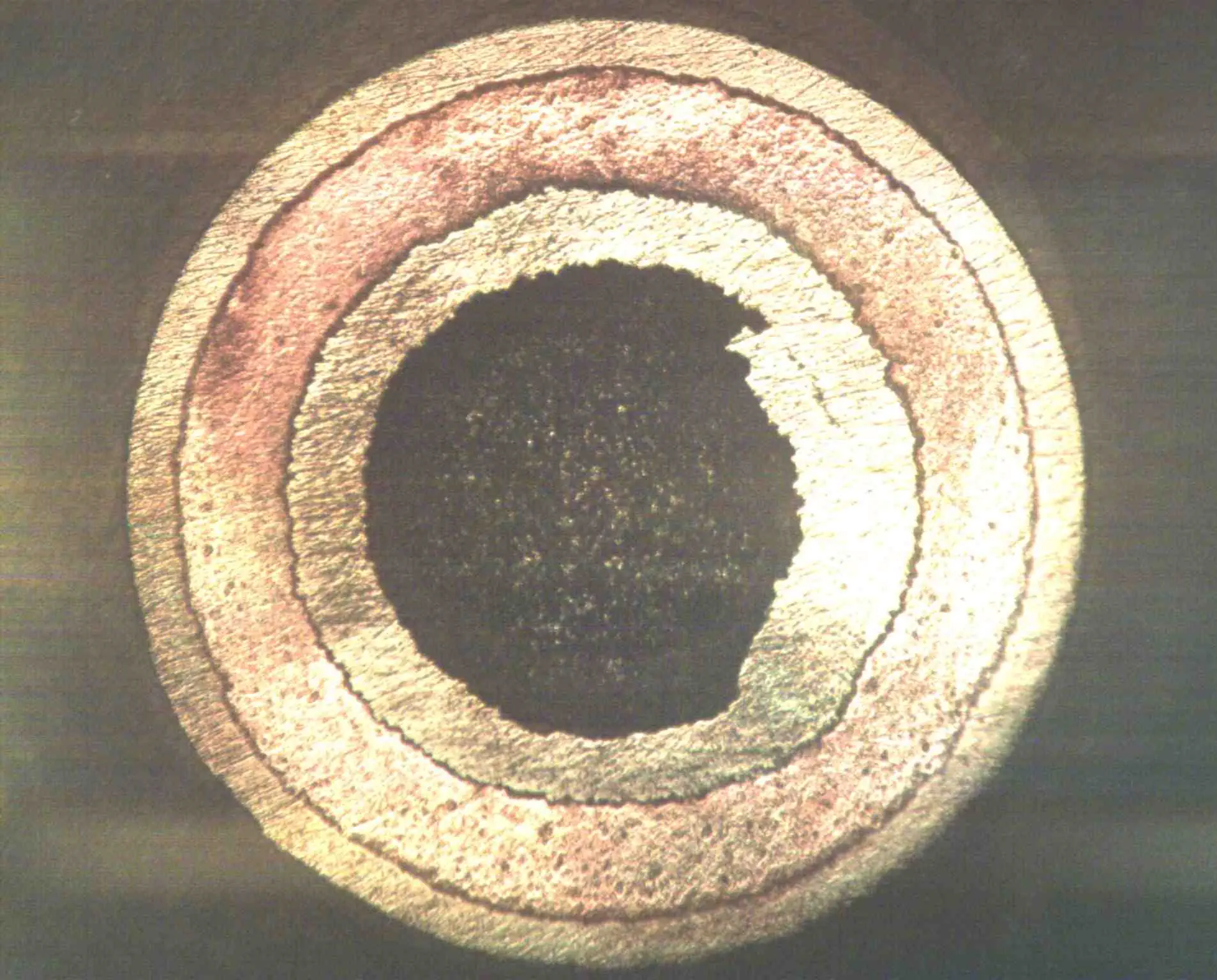
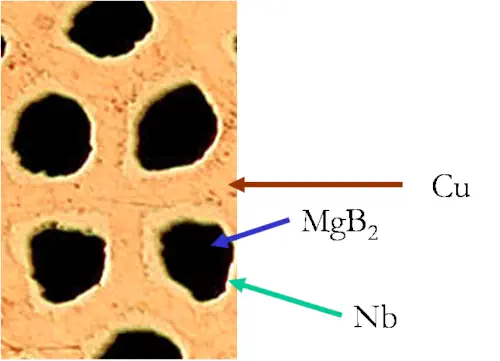
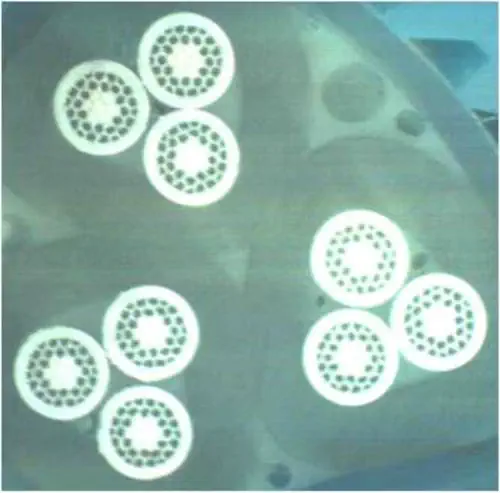
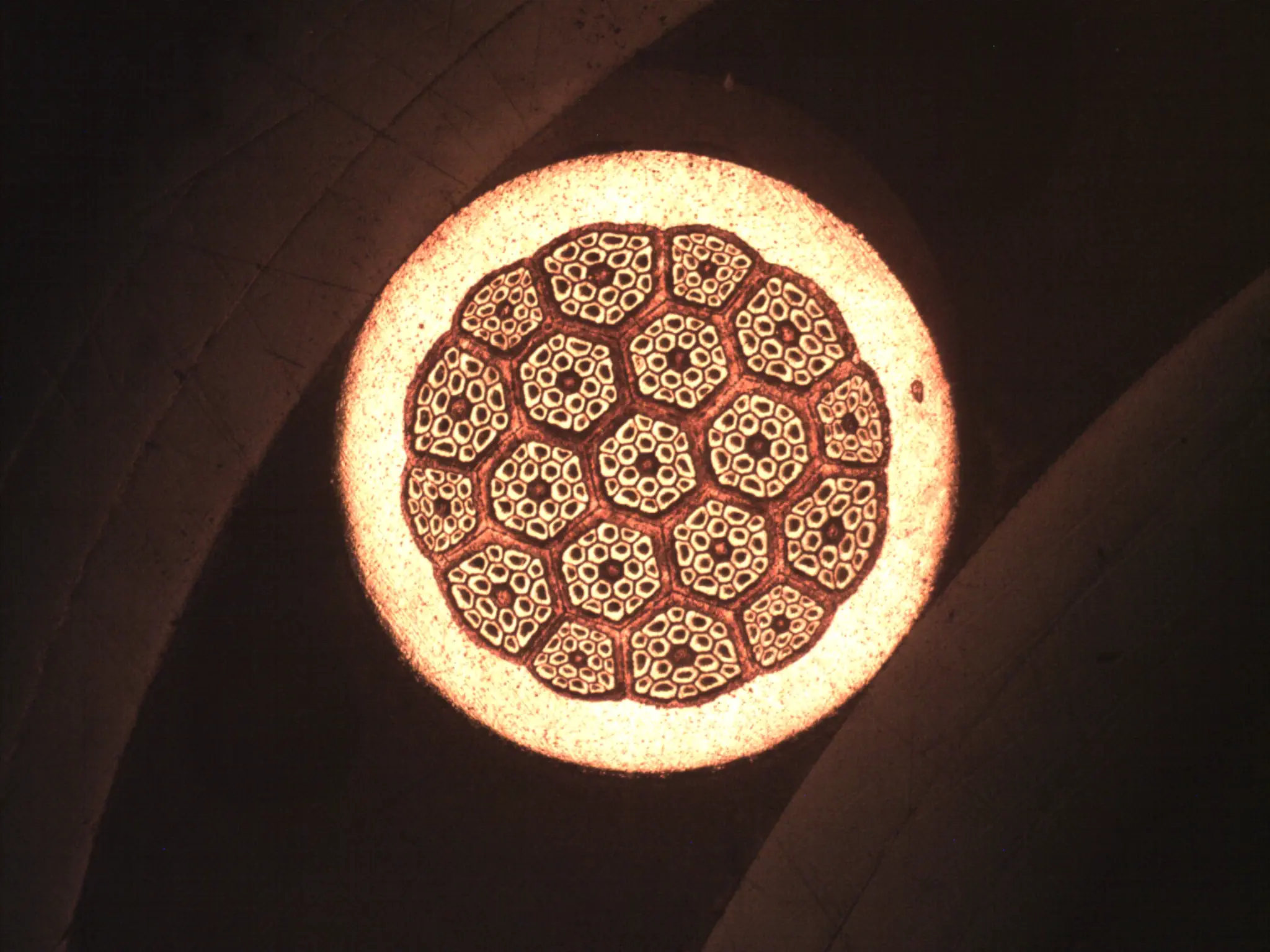
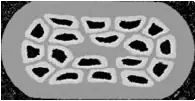
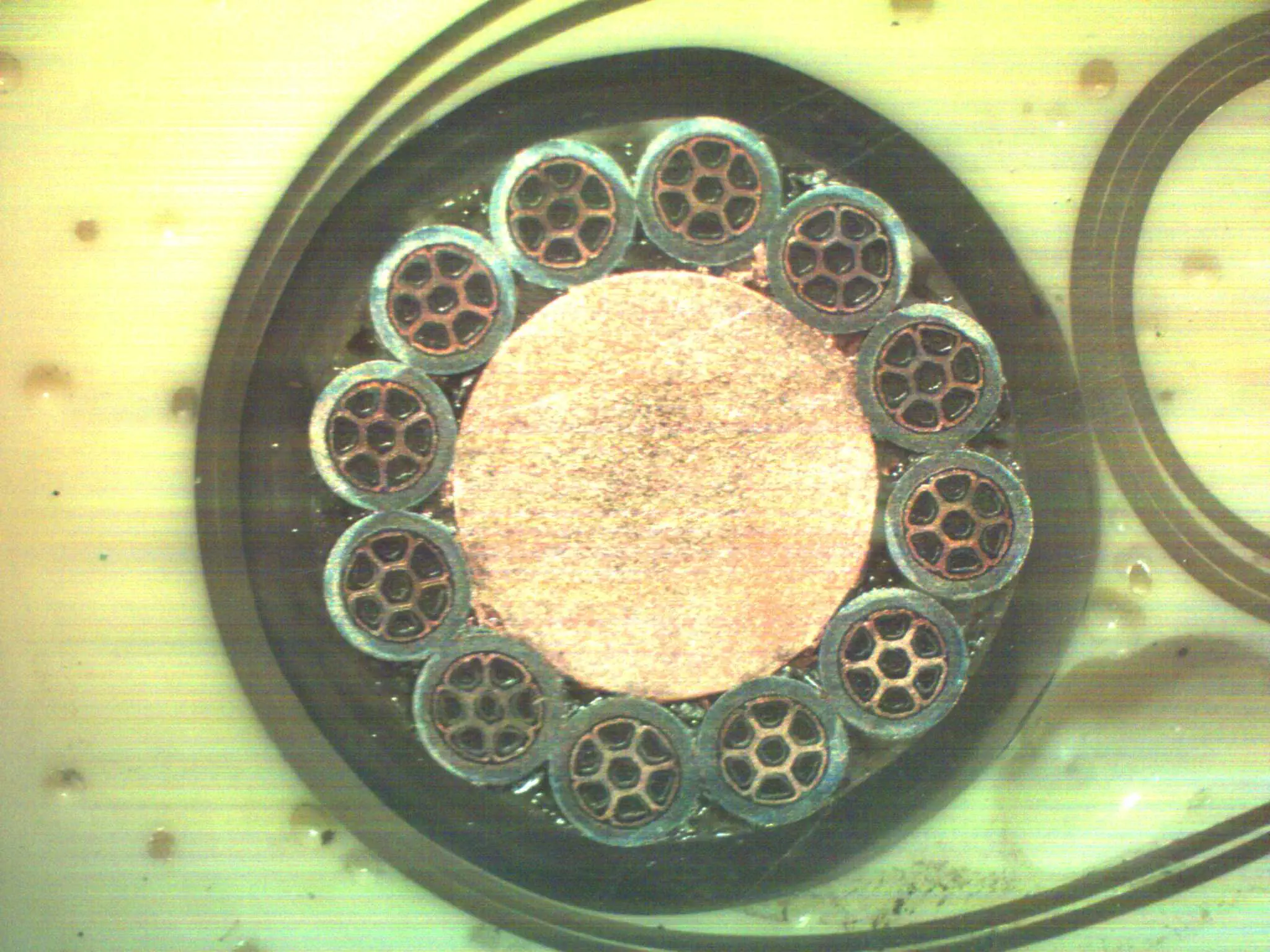
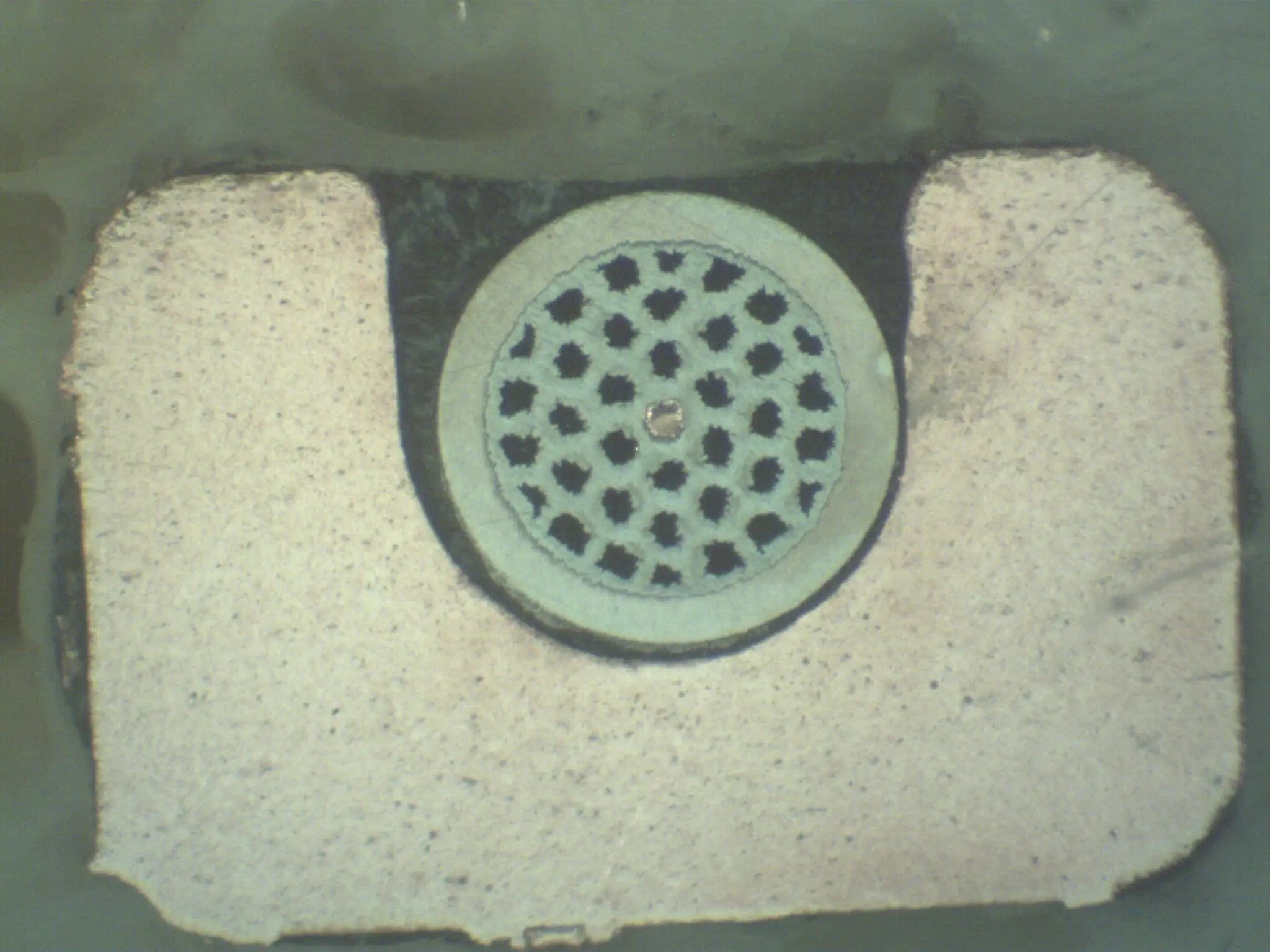
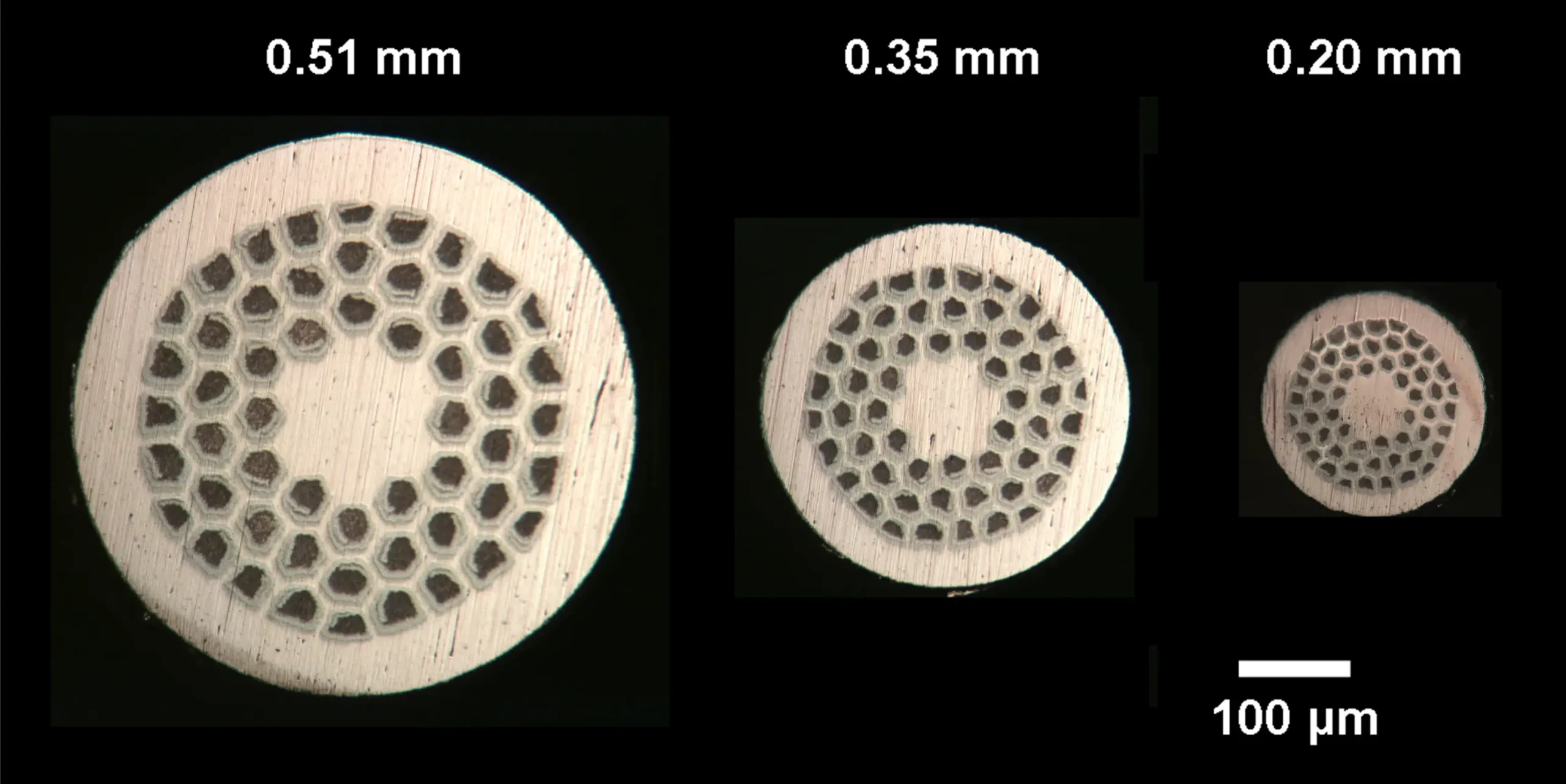
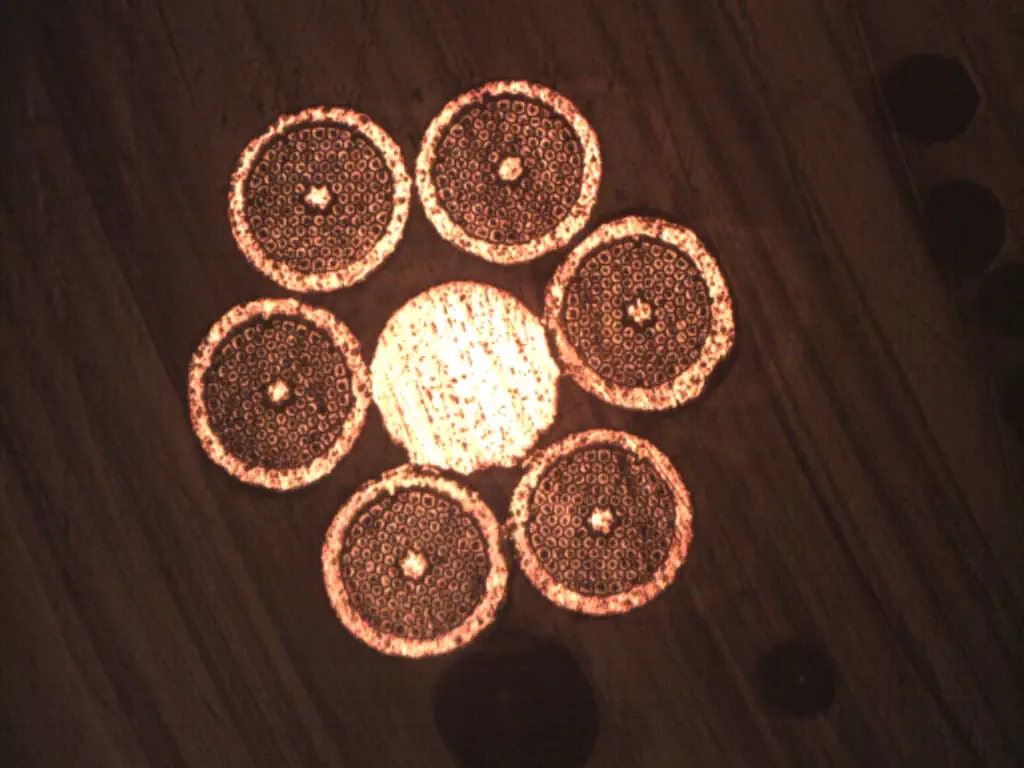
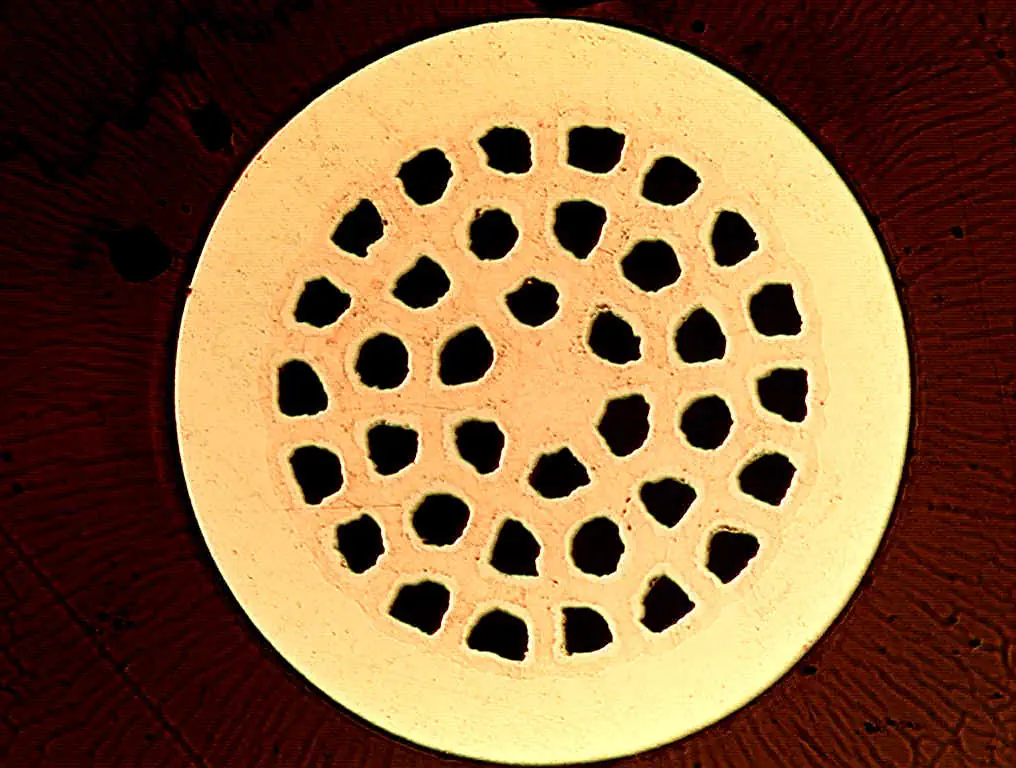
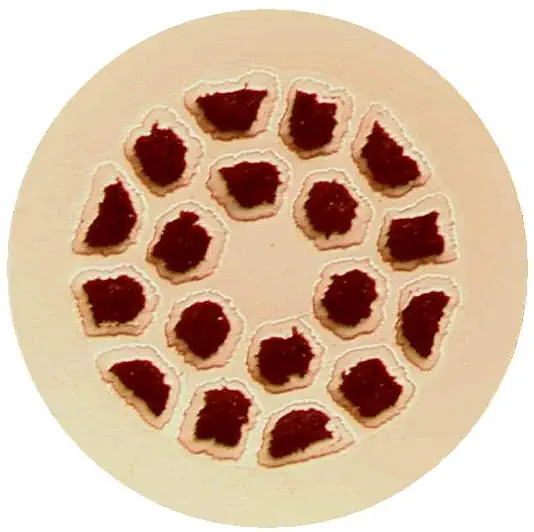
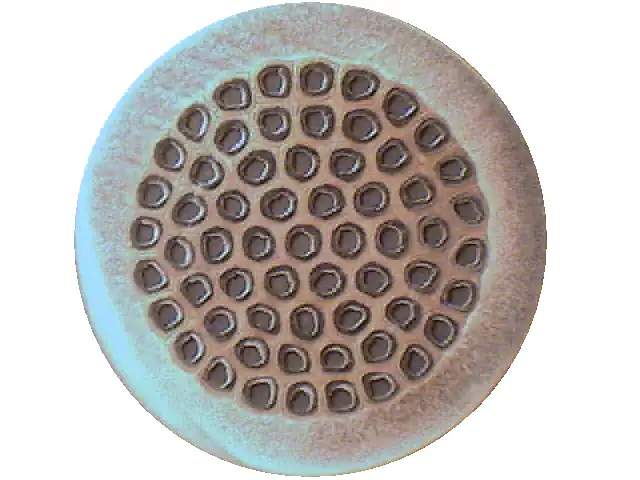
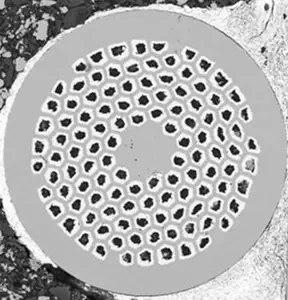
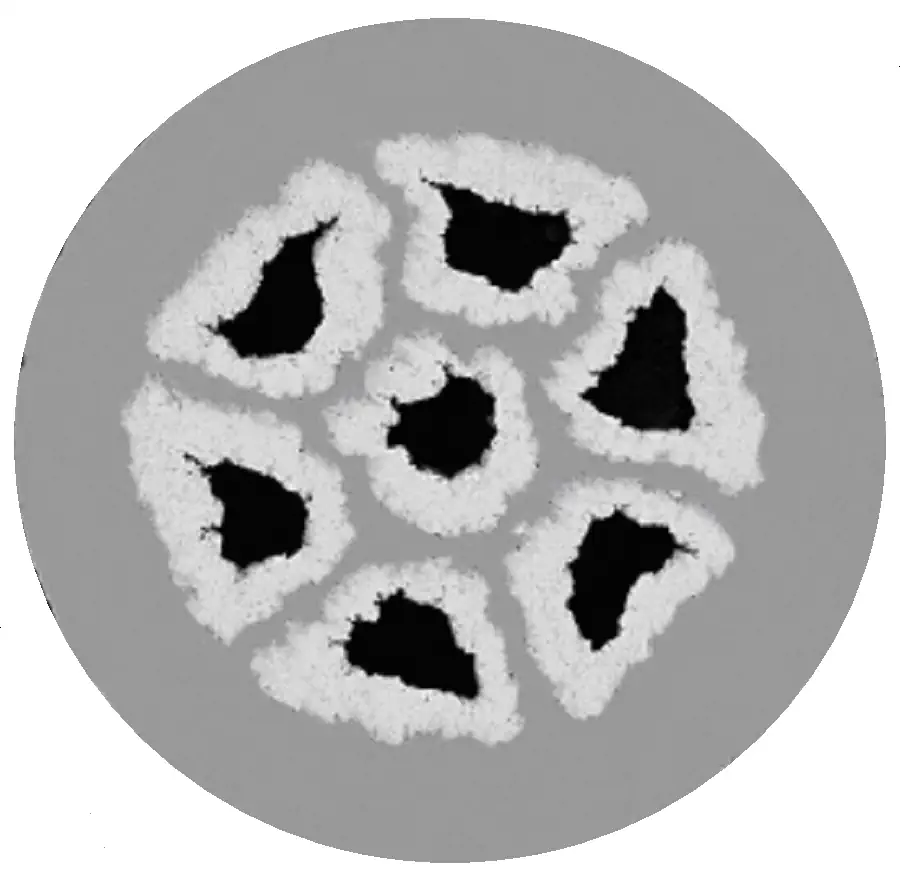
MgB2 conductor gallery

How we make it
Filling and drawing: how MgB2 wire is made
Hyper Tech developed and patented a continuous tube forming and filling (CTFF) process for powder-metallurgy MgB2 wire in 2002. It is what let the company become the first to make viable long-length MgB2 wire. Here is the route, simplified.
Swipe sideways to see the whole diagram.